Pet Hair Remover Broom: A Practical, Surface-Aware Guide


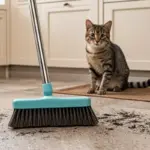
A pet hair remover broom can help gather loose fur from floors, but no single tool works on every surface. PawPureHome did not conduct hands-on product testing. Instead, this guide walks through what a shopper should verify in the manufacturer listing: named compatible surfaces, dimensions, edge or head description, care instructions, replacement parts, storage requirements, and return terms. Use it as a checklist before you buy.
Key takeaways
- Check the manufacturer’s list of compatible surfaces before purchasing any pet hair remover broom.
- Compare the broom’s listed dimensions and head design with the spaces you plan to clean.
- Read care instructions and confirm whether replacement parts are available.
- Review storage recommendations and return terms in the product listing.
- Run a small-area trial on each surface and note what you observe before using the broom widely.
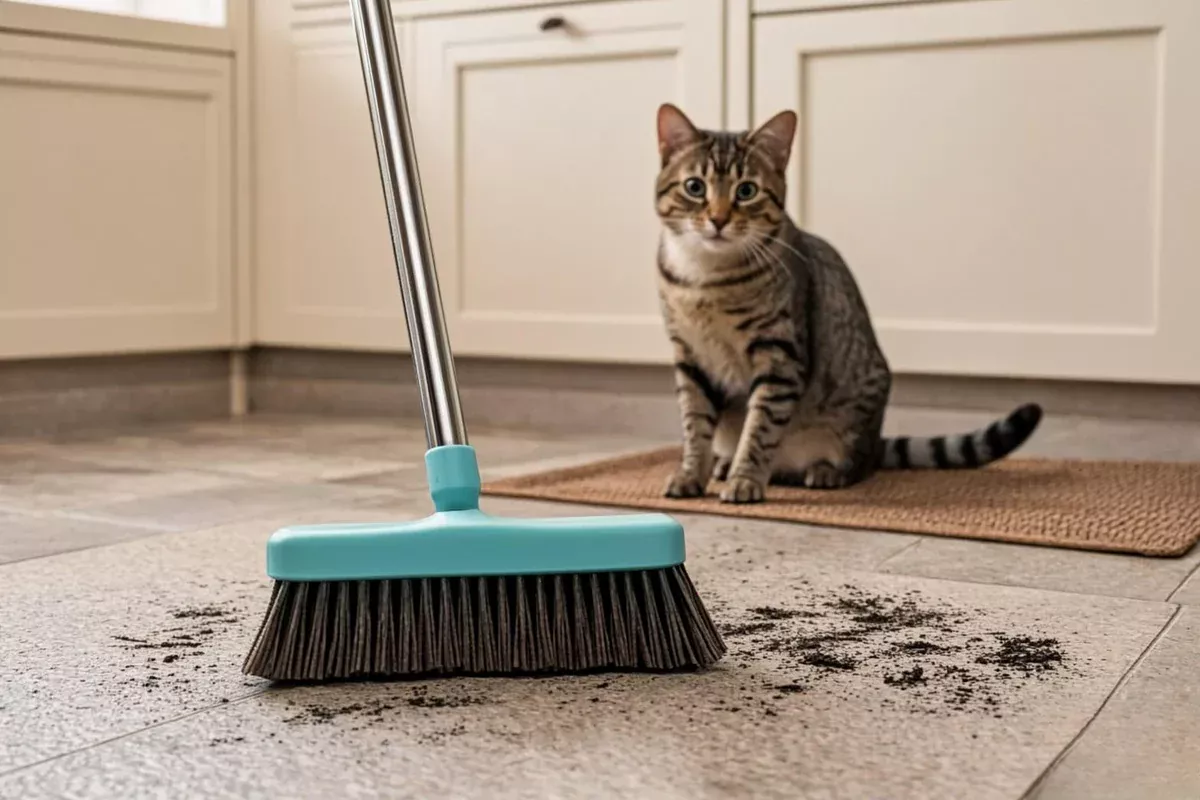
What should you check in a pet hair remover broom listing?
Manufacturer product pages and packaging often include details that help you decide whether a pet hair remover broom fits your home. Look for these verifiable points before you add anything to your cart.
Named compatible surfaces
Many listings state which floor types the broom is designed for. You might see references to sealed hardwood, tile, laminate, vinyl, or low-pile carpet. If a listing does not name a surface you have, contact the seller before purchasing. Do not assume a broom works on unlisted flooring.
Dimensions and weight
Check the overall length, head width, and weight if provided. A broom that is too short may cause you to stoop; one that is too wide might not fit between furniture legs. Compare the listed dimensions with the areas you clean most often.
Edge or head description
Listings sometimes describe the head shape or edge profile. You might read terms like “contoured edge,” “flexible head,” or “low-profile design.” Note what the manufacturer says about how the head meets the floor. This can help you picture whether it will reach under low furniture or into corners.
Care instructions
Look for cleaning and maintenance steps in the product description or manual. Some brooms can be rinsed with water; others may require wiping with a damp cloth. Follow only the instructions the manufacturer provides. Do not apply household cleaners to the broom unless the label explicitly permits that use. The EPA reminds pet owners to read and follow all label instructions and precautions when using household cleaners, and to keep pets away from treated areas as directed.
Replacement parts
Some pet hair remover brooms offer replaceable heads or edge strips. Check whether the manufacturer sells replacements and how to order them. If no replacement parts are listed, the broom may need to be replaced entirely when it wears.
Storage requirements
Listings sometimes recommend hanging the broom or storing it with the head off the floor. Note any storage instructions. Storing a broom incorrectly could affect its shape over time, though you would need to observe this yourself.
Return terms
Before buying, read the seller’s return policy. Look for the return window, condition requirements, and whether return shipping is covered. A clear return policy gives you an option if the broom does not meet your expectations based on the listing.
How does a pet hair remover broom compare to other pet hair tools?
Different tools serve different purposes. The table below compares observable use cases, handling, and maintenance points you can verify in product listings. It does not compare performance or materials.
| Feature to check | Pet hair remover broom | Pet hair remover glove | Reusable pet hair remover | Pet hair remover for laundry |
|---|---|---|---|---|
| Typical use | Floors and large flat surfaces | Upholstery, clothing, curved surfaces | Furniture, car interiors, small areas | Fabrics during washing or drying |
| Handling | Long handle, two-handed operation | Worn on hand, one-handed use | Handheld, often compact | Placed in washer or dryer |
| Maintenance | Check listing for rinse or wipe instructions | Often rinsed with water; check listing | May be rinsed or wiped; check listing | Clean per manufacturer instructions |
| Storage | Often hung or stood upright | Small, can be stored flat or hung | Compact, fits in drawers | Stored with laundry supplies |
For upholstered furniture, a pet hair remover glove may be easier to maneuver than a broom. If you are dealing with embedded fur on sofas or chairs, our guide to removing pet hair from furniture offers additional steps. And when fur transfers to clothing or bedding, a pet hair remover for laundry can help during the wash cycle.
How can you run a small-area trial with a new pet hair remover broom?
Before using a new broom on all your floors, try it on a small, out-of-sight section of each surface. This trial is not a compatibility guarantee. It is a way to observe what happens under your own conditions.
- Pick a test area about two feet by two feet on each floor type you plan to clean.
- Make sure the area is dry and free of obstacles.
- Use the broom as shown in the manufacturer’s instructions. Make a few passes in the same direction.
- Stop and look at the floor. Note any marks, changes in sheen, or debris left behind.
- Check the broom head. Is it collecting hair? Is anything sticking to it that shouldn’t?
- Repeat the passes in a different direction and observe again.
- Write down what you see for each surface type. If you notice unexpected results, contact the seller before continuing.
Keep a simple observation log. For example:
- Surface: Sealed hardwood. Passes: 5 back-and-forth. Observations: No visible marks. Hair gathered at leading edge of broom.
- Surface: Low-pile carpet. Passes: 5 back-and-forth. Observations: Some hair remained in carpet fibers. Broom head did not snag.
This log helps you decide whether to continue using the broom on each surface. It does not prove the broom is safe or effective for all floors.
What should you know about using cleaning products near pets?
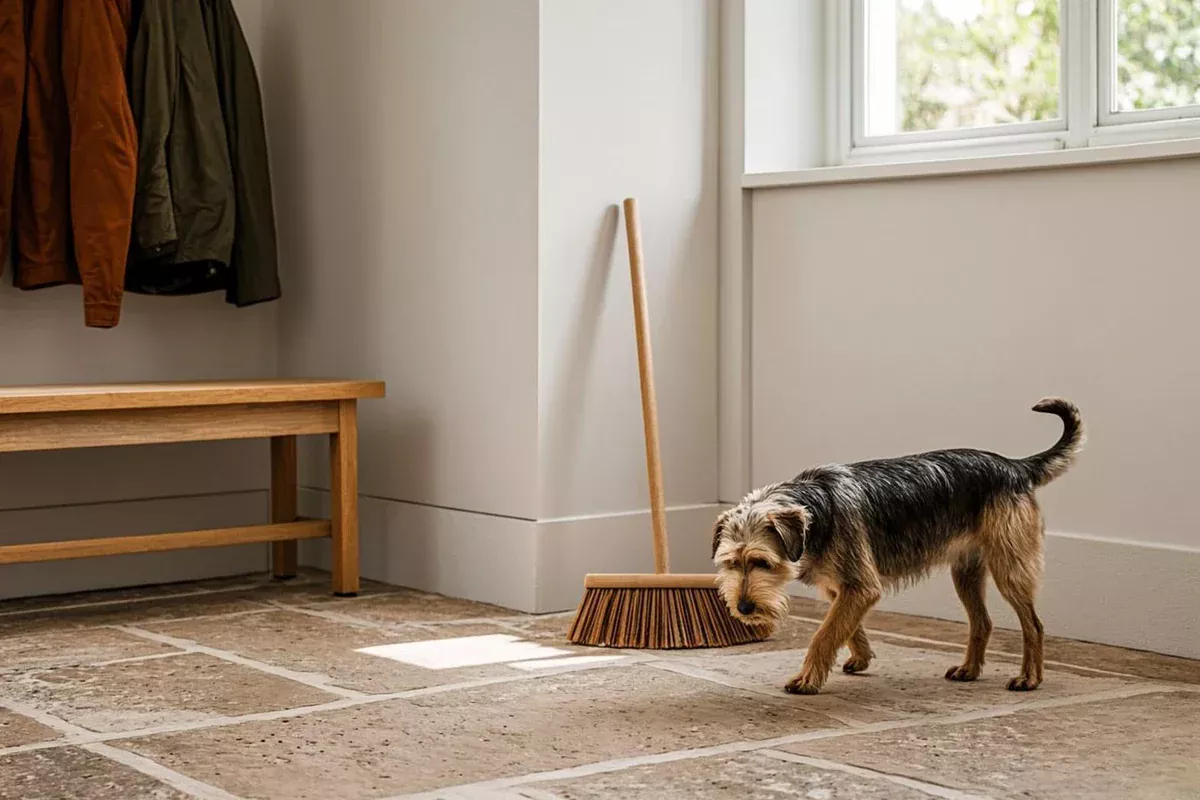
If you ever need to clean your broom or the area around it, choose a household cleaner carefully. The EPA advises that you always read the label first before you buy, store, and use household cleaners. Follow all label instructions and precautions. Keep products in their original containers, and keep pets away from products. Do not spray or store cleaning products near pet food or water dishes. In the event of a spill, keep animals out of the area until it is cleaned up.
These steps apply to any household cleaner you might use near pet areas. They are not specific to a pet hair remover broom, but they are worth remembering whenever you clean.
Questions you might ask before buying
Does the listing name my floor type?
Scan the product description for a list of compatible surfaces. If your floor is not mentioned, ask the seller. Do not rely on general claims like “works on all floors.”
Can I get replacement parts?
Check the manufacturer’s website or the product page for replacement heads, edge strips, or other parts. If none are listed, consider how you will handle wear over time.
How do I clean the broom?
Look for care instructions in the manual or listing. Some brooms can be rinsed; others should only be wiped. Follow only the provided steps.
What if the broom leaves marks on my floor?
Stop using it on that surface and contact the seller. Your small-area trial log can help you describe what you observed. Check the return policy to see if you can send it back.
Where should I store the broom?
Many manufacturers recommend hanging the broom or storing it with the head off the floor. Check the listing for storage advice. Proper storage may help the broom keep its shape.
Next steps
Start by listing the floor types in your home. Then look at pet hair remover broom listings and note which surfaces are named. Compare dimensions, care instructions, and return terms. Run a small-area trial before using the broom everywhere. For other pet hair challenges, explore our guides on removing pet stain odors from a couch, choosing pet odor and stain removers by surface, and removing pet hair from carpet.