How to Remove Pet Hair From Laundry Without Rewashing Everything

FUR & FABRIC CARE
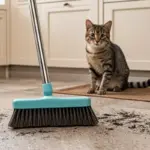
To remove pet hair from laundry, take off as much loose fur as possible while the fabric is dry, wash only items allowed by their care labels, and clean the washer and dryer collection points afterward. The washer should handle soil and detergent—not become the first place where a heavy layer of hair is collected.
Quick answer
- Shake, brush, or vacuum washable items before they enter the machine.
- Separate heavily furred pet bedding from ordinary clothes.
- Follow the garment, bedding, detergent, and appliance instructions.
- After the cycle, remove hair from the drum, door seal, lint screen, and nearby floor.
Why does pet hair stay on clothes after washing?
Pet hair does not behave like ordinary water-soluble soil. Fine undercoat can bend around knitted fibers, while longer strands cling to fleece, towels, and textured cotton. A crowded machine leaves less room for items to move, so hair can simply transfer from one surface to another. Wet fibers may also hold strands that were easy to lift when dry.
This is why a fabric-first routine works better than repeatedly washing the same load. The objective is to reduce the loose-hair load before washing, give washable items enough room to move, and capture what remains during drying when the care label permits it.
What should you prepare?
| Item | Purpose | Check first |
|---|---|---|
| Reusable lint brush or fabric-safe hair tool | Lifts loose fur while the fabric is dry | Test an inconspicuous area |
| Vacuum upholstery attachment | Collects hair from sturdy pet bedding | Use low suction on delicate fabric |
| Laundry bag or basket | Keeps heavily furred items separate | Do not overfill |
| Clean cloth | Wipes the empty drum and door seal | Follow appliance instructions |
Read every care label before choosing water temperature, cycle, or drying method. If a cover is not washable, do not improvise a machine cycle. Use its manufacturer’s care method or seek a professional cleaner for valuable or delicate items.
How to remove pet hair from laundry step by step
1. Let damp items dry before brushing
If a blanket is muddy or wet, deal with the specific soil according to its care instructions, then allow it to reach a workable condition. Loose fur is generally easier to see and gather on a dry surface. Avoid vigorous shaking indoors because it redistributes hair onto nearby furniture and floors.
2. Remove the surface layer
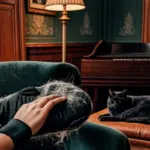
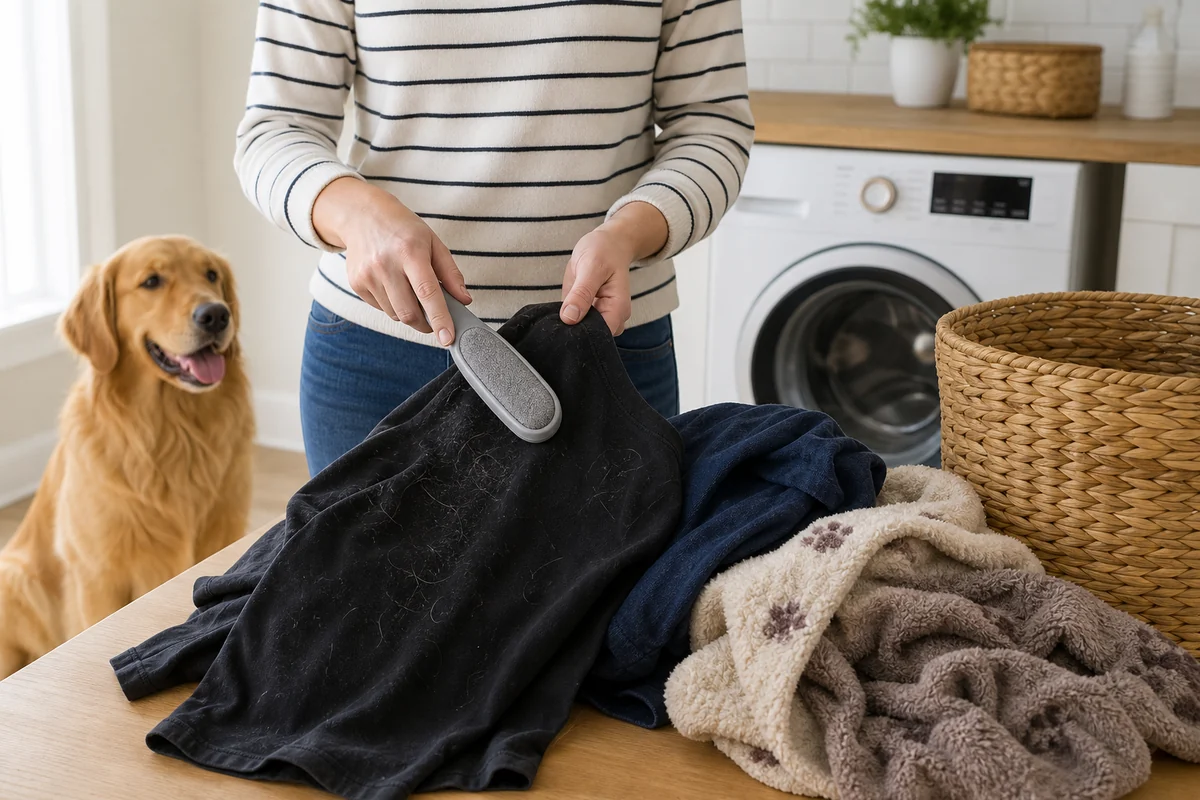
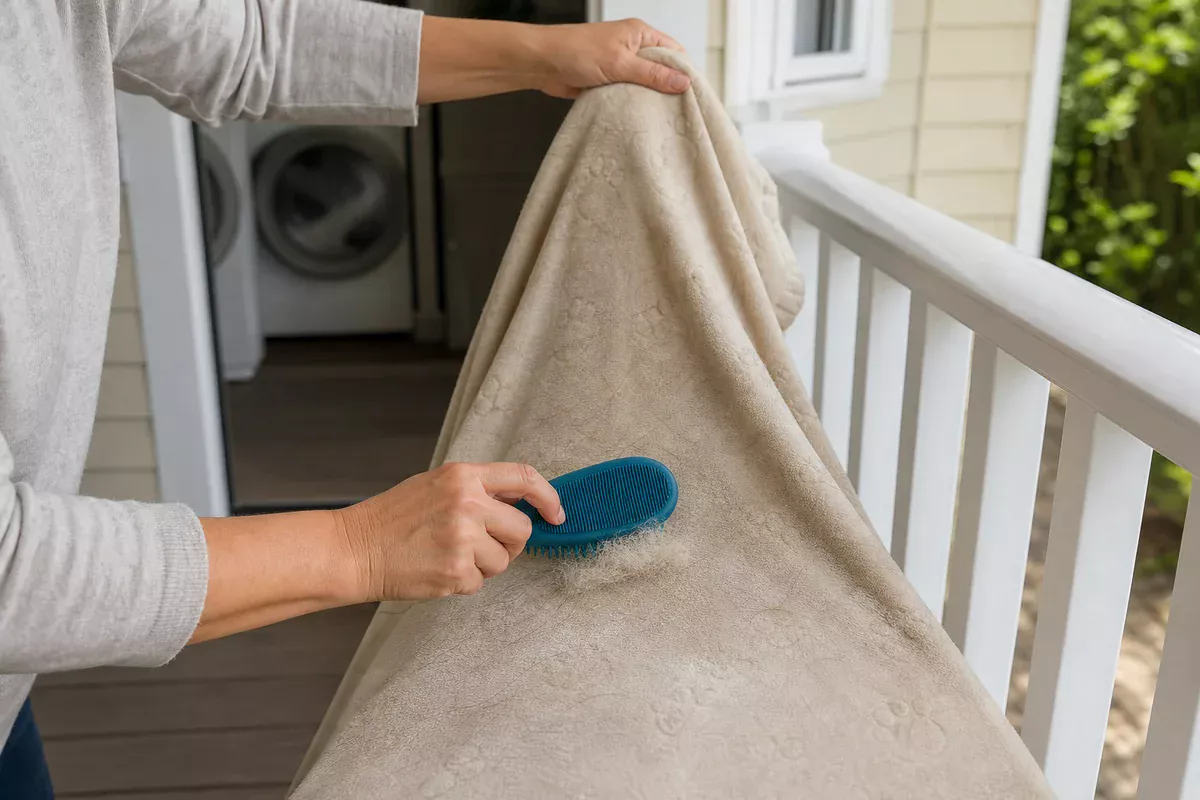
Take the item to an easy-to-clean area. Use short, overlapping passes with a lint brush or a fabric-safe rubber tool. Gather hair into small rows and place it in the trash. For sturdy bedding, a suitable vacuum attachment can collect remaining clumps. Stop if the tool snags, stretches, or changes the nap.
3. Sort by fabric and hair level
Keep heavily furred pet blankets out of a load of lightly worn clothes. Sort colors and fabrics as their labels direct. Close fasteners that could catch another item, and avoid packing the drum tightly. A smaller, compatible load is easier to inspect after the cycle.
4. Wash according to the labels
Use the permitted cycle and the measured amount of a suitable laundry product. More detergent is not automatically better and can be difficult to rinse. Do not add unverified household mixtures to the washer. If the item requires a special method, its label takes priority over general advice.
5. Dry only when permitted
If the label allows machine drying, the dryer’s lint collection system can capture some loosened hair. Check and clean the lint screen according to the appliance manual. Air-dry items that require it, then use a clean fabric tool for any visible strands left on the surface.
6. Clean the machines and floor
When the load is removed, inspect the washer drum, gasket, dispenser area, and dryer lint screen. Wipe accessible surfaces only as the manufacturer directs. Pick up hair around the machines so it does not return to the next load.
Which fabrics need extra care?
Fleece and textured knits tend to hold more visible strands. Delicate weaves can snag under an aggressive rubber edge. Waterproof covers may have coatings that require specific detergents and drying temperatures. Wool, antique textiles, weighted bedding, and items with damaged seams should not be treated as ordinary machine laundry.
Common mistakes that cause repeat loads
- Putting a fur-covered blanket straight into the washer: it increases transfer inside the load.
- Mixing pet bedding with everything: lighter items can pick up the loosened hair.
- Overloading the drum: items have less room to move and rinse.
- Ignoring the lint screen or door seal: captured hair remains near the next load.
- Using a sticky tool on delicate fabric without testing: it may pull fibers or leave residue.
How can you reduce pet hair between laundry days?
Keep washable throws on the pet’s favorite resting areas, brush pets using an appropriate grooming routine, and collect loose hair from upholstery and floors before it reaches clothing. Store clean laundry away from pet beds. For carpeted rooms, use the related guide on how to remove pet hair from carpet.
Frequently asked questions
Should I wash pet-hair-covered clothes twice?
Usually, inspect and remove loose hair first rather than automatically repeating a cycle. Rewash only when the care label permits it and the item still needs laundering for soil—not simply because a few strands remain.
Can every pet bed go in the washing machine?
No. Covers, foam inserts, waterproof liners, and filled beds can have different instructions. Check each component’s label.
Can I use the same tool on every fabric?
No. A tool that works on sturdy cotton may catch a looped knit or delicate weave. Test it on a hidden area and use light pressure.
Why is hair collecting around the washer door?
Front-loader seals and edges can catch debris released by the load. Inspect and clean them as the appliance manual directs.
A practical laundry-day decision guide
Start by asking whether the item is actually dirty or simply carrying visible hair. If it is otherwise clean, a dry fabric tool may solve the problem without a wash. If the item has ordinary washable soil, remove loose fur and follow the label. If it has urine, vomit, blood, an unknown chemical, or another special contaminant, separate it from routine laundry and use guidance appropriate to that material. Do not combine a stain-treatment experiment with a new washing method on a valuable item.
Inspect the result under side light before folding. A few remaining strands are a surface-removal task, not proof that the wash failed. Let the fabric cool and dry, then use a tested lint brush. Record what worked for frequently washed pet covers—the load size, permitted cycle, and drying method—so the next laundry day begins with a known routine.
What should renters or shared-laundry users do?
Contain furred items in a basket until the machine is available, remove the dry surface layer at home, and leave the shared machine visibly clean. Check the drum, door edge, gasket, and lint screen without dismantling equipment. Follow posted building rules and report a blocked or damaged machine rather than attempting a repair.
Sources and further reading
- CDC: Cleaning and Disinfecting Pet Supplies — general care and label-following guidance.
- U.S. EPA: Improving Indoor Air Quality — source control and ventilation principles.