Pet Odor & Stain Removers: How to Choose by Surface


Pet odor & stain removers are not interchangeable across every household surface. Start by blotting loose moisture, checking the carpet or upholstery care instructions, and reading the cleaner label. The US EPA recommends reading product directions before use and storage; those directions take priority over a generic household routine.
Key takeaways
- Blot fresh urine immediately with plain white paper towels before applying any cleaner.
- Test any cleaning solution on a hidden area of the carpet or fabric first.
- For carpet, the Carpet and Rug Institute describes a measured detergent solution, water rinsing, a vinegar rinse, blotting, and drying under white towels.
- Store pet odor & stain removers in a cool, dry place and always read label instructions.
- For persistent odors, consider a product type formulated for pet stains, but verify surface compatibility.
What should you do the moment you find a fresh urine accident on carpet?
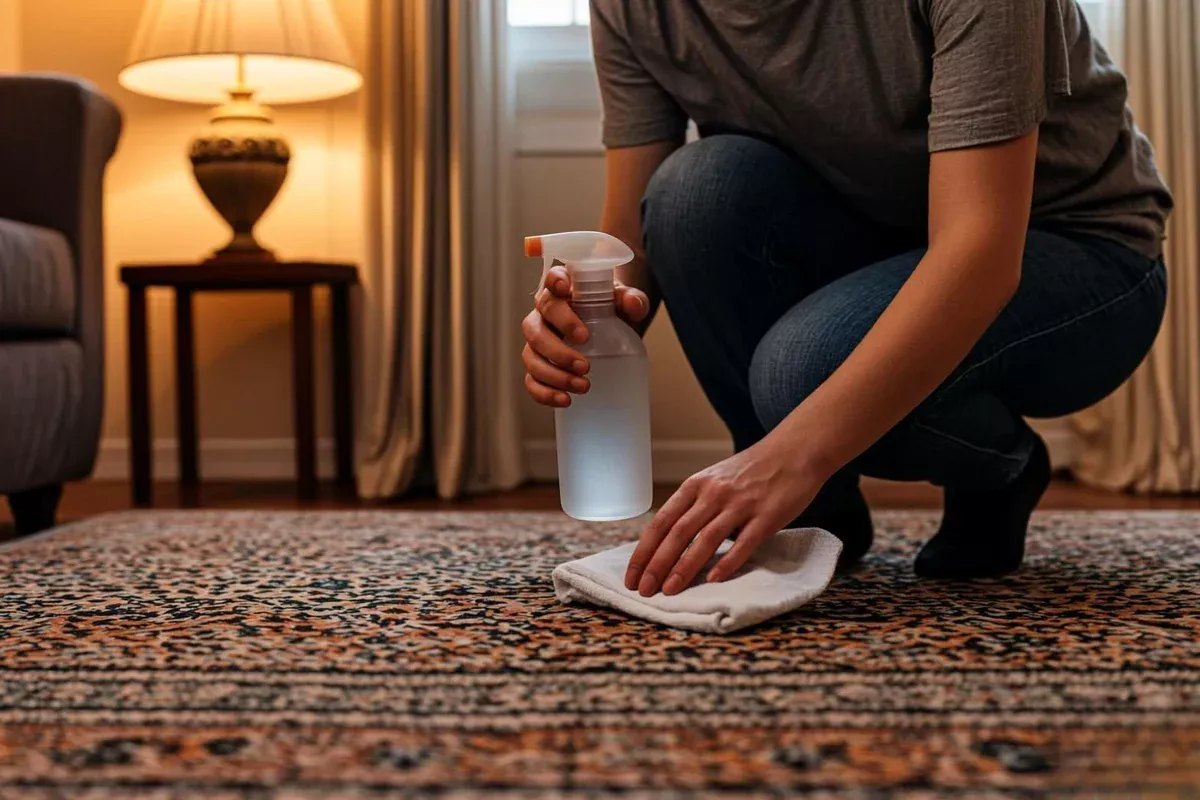
Speed matters, but careful blotting matters more. Grab a stack of plain white paper towels—dyed or printed towels can transfer color. Press them firmly onto the wet area to absorb as much liquid as possible. Stand on the towels or use a heavy book to apply pressure. Replace with dry towels and repeat until no more moisture transfers. Avoid rubbing, which can push urine deeper into fibers and backing. This initial step reduces the load on any pet odor & stain remover you use later.
Once blotting is done, resist the urge to pour water or cleaner directly onto the spot. Over-wetting can drive urine into the carpet pad and subfloor, leading to odors that resurface later. Instead, move to surface testing.
How do you test a surface before using a pet odor and stain remover?
Testing prevents color loss, texture change, or unintended reactions. Choose an inconspicuous area—behind a door, under a furniture skirt, or inside a closet corner. Apply a small amount of the cleaning solution you plan to use (detergent mix, vinegar solution, or a commercial pet stain and odor remover) to a white cloth and dab it on the test spot. Follow the product label for the test interval, then blot with a dry white cloth. Check for dye transfer onto the cloth and examine the carpet for lightening or darkening. If no change appears, proceed. If you see color bleed or fiber distortion, stop and consult a professional cleaner or the carpet manufacturer.
This step is especially important on wool, silk, or vintage rugs, where dyes can be sensitive to pH changes. Even on synthetic carpets, some stain-resist treatments may react unpredictably. The Carpet and Rug Institute notes that urine can affect dyes differently depending on the carpet’s manufacturing treatments and the urine’s composition, so testing is a sensible precaution.
What is a practical step-by-step method for cleaning a urine spot on synthetic carpet?
After blotting and testing, follow this sequence using common household items. This method draws on guidance from the Carpet and Rug Institute’s technical bulletin on pet urine and carpet.
- Prepare a mild detergent solution. Mix ¼ teaspoon of clear, non-bleach, non-lanolin liquid dishwashing detergent with one cup of lukewarm water. Do not use automatic dishwasher detergent or laundry detergent, as they may contain additives that harm carpet fibers.
- Apply the solution. Dampen a clean white cloth or paper towel with the detergent mix. Blot the stained area, working from the outside edge toward the center to avoid spreading. Do not pour the solution directly onto the carpet.
- Blot and repeat. Press with a dry white towel to absorb moisture and lifted soil. Alternate between the detergent-dampened cloth and a dry towel. Continue as long as you see transfer to the towel or improvement in the spot.
- Rinse with plain water. Dampen a fresh cloth with lukewarm water and blot to remove detergent residue. Residue can attract dirt later, so this step matters.
- Apply a vinegar solution. Mix one cup of white vinegar with two cups of water. Blot onto the area to help neutralize alkaline urine salts. Vinegar’s acidity can counteract some odor-causing components, though it does not disinfect or kill germs, as noted by the CDC.
- Final rinse and dry. Blot again with water-dampened cloth, then layer a half-inch stack of white paper towels over the spot. Weight them down with a heavy, non-fading object (a glass baking dish or sealed plastic container filled with water works). Change the towels every hour or so until the carpet feels dry to the touch. This wicking action pulls moisture upward, reducing the chance of deep-set odor.
This approach uses a pet stain and odor remover in the form of a detergent-and-vinegar sequence. For commercial products labeled as pet odor removers, follow the manufacturer’s instructions, but always test first and avoid over-saturation.
How should you approach odor and stain removal on upholstery?
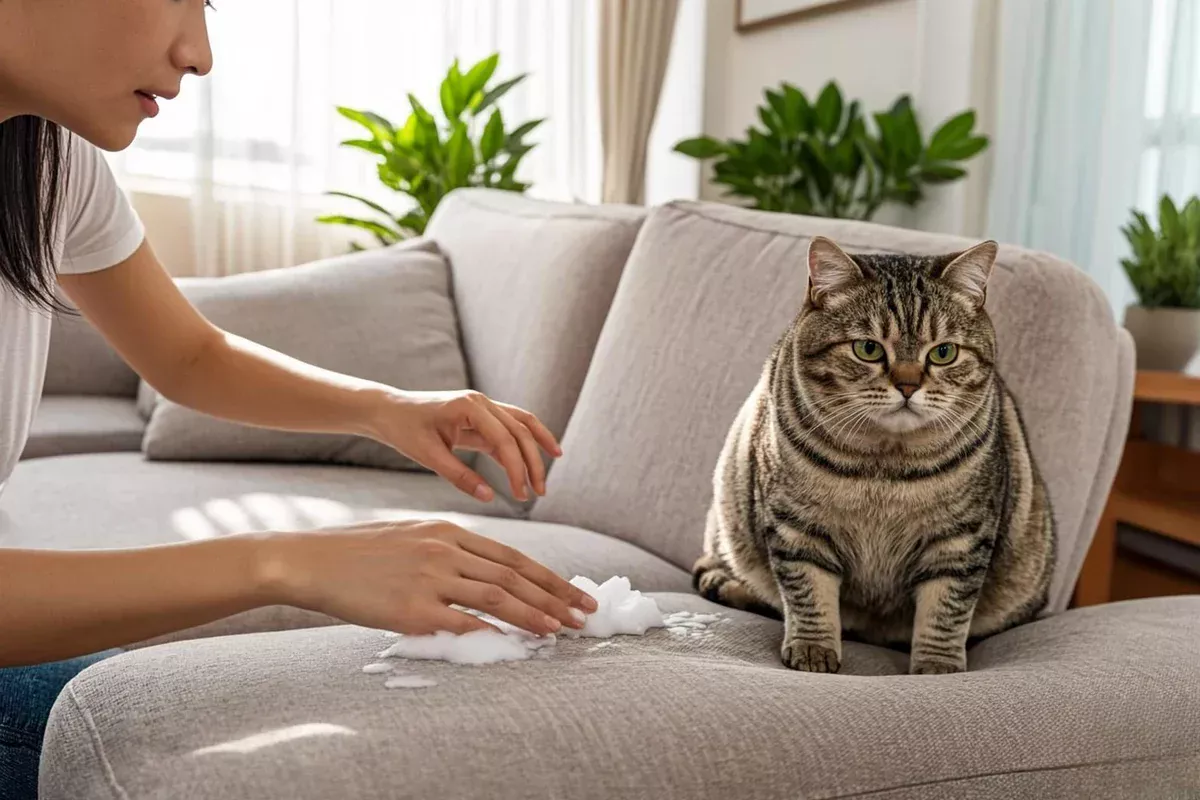
Check the furniture care label before adding moisture. Blot a fresh damp area with a plain white cloth, then test the chosen cleaner on a hidden section using the amount and method stated on its label. Avoid saturating the cover or cushion insert.
If the care information does not permit the cleaner, or if dye transfers during the hidden-area test, stop. A furniture manufacturer or qualified upholstery cleaner can advise on that fabric and cushion construction. Let treated parts dry fully before reassembly, following the care instructions rather than adding unapproved heat.
What are the differences between common types of pet odor & stain removers?
While we cannot make claims about specific ingredients or performance, observable product categories differ in use and handling. The table below compares typical forms based on practical application and maintenance, not efficacy.
| Product Form | Typical Use Case | Application Method | Storage Considerations |
|---|---|---|---|
| Liquid spray | Fresh surface stains on carpet or hard floors | Spray onto spot, blot after dwell time | Keep bottle upright, away from heat; check cap seal |
| Foam cleaner | Upholstery when the product label permits that fabric | Dispense as directed and work from a cloth if specified | Keep the original label and follow its storage limits |
| Powder or granule | Deep-set odors in carpet; left to sit then vacuumed | Sprinkle evenly, brush in, wait, vacuum thoroughly | Reseal tightly; moisture causes clumping |
| Pre-moistened wipe | Quick cleanup on hard surfaces or small fabric spots | Wipe area, dispose after use | Keep package closed to prevent drying out |
When choosing, consider the surface you’re treating and whether the product requires rinsing or vacuuming. Always read the label for surface compatibility and follow any dwell-time instructions. For more options, browse our odor control collection.
How do you store pet odor removers to keep them effective?
Keep each cleaner in its original container with the label intact. The CDC advises keeping household cleaners and disinfectants out of pets’ reach. Use the storage conditions printed on the product rather than assuming one temperature range fits every formula.
Close caps and packages after use. If a container leaks, is damaged, or no longer has readable directions, follow the manufacturer’s disposal guidance and local waste rules.
What if the stain or odor persists after cleaning?
Sometimes a spot looks clean but the smell returns, especially in humid weather. This can happen when urine has penetrated into the carpet pad or subfloor. In such cases, surface cleaning alone may not reach the source. You might need to lift the carpet to inspect and replace the pad, or treat the subfloor. This is a job for a professional carpet cleaner or restoration service. For guidance on deeper cleaning techniques, visit our cleaning guides.
For upholstery, persistent odor may indicate the foam cushion is saturated. If the cover is removable, wash it according to the care label and consider replacing the foam insert. If not, professional cleaning is the safer route.
Common questions about pet stain and odor removal
Can I use a pet odor and stain remover on hardwood floors?
Only when the product label and the floor finish guidance both allow it. Blot first, limit moisture, and stop if the finish changes. Do not transfer a carpet-cleaning recipe to wood.
Why can an odor return after surface cleaning?
The source may extend below the visible surface. The CRI bulletin notes that complete odor removal is unlikely when urine cannot be fully removed from carpet layers. Repeatedly soaking the surface is not a substitute for locating the affected layer.
Is vinegar safe for all carpets?
Vinegar is acidic and can affect some dyes or finishes. Always test in a hidden area. The CDC notes that vinegar is not a proven disinfectant and may not kill all germs, so it’s used here for its pH-adjusting potential, not as a sanitizer.
How often should I clean pet items to prevent odors?
The CDC suggests cleaning pet bowls daily, bedding weekly, and toys monthly. For litter boxes, scoop daily and disinfect periodically. Regular cleaning reduces the chance of odors transferring to your home. Find supplies in our shop.
Next steps for a fresher home
After the treated area dries, reassess it under normal room conditions. If staining or odor remains, stop adding product and identify whether the carpet backing, pad, upholstery cover, or insert is involved. Use the care instructions or consult a qualified cleaner before another treatment.
When the affected surface is carpet, use the dedicated routine to remove pet odors from carpet and reassess only after full drying.
For a finish-specific decision process, see our guide to removing pet stains from hardwood floors.