Dog Paw Cleaner Review: What to Check Before Choosing


If muddy paw prints are tracking across your entryway after every walk, a dog paw cleaner review can help you decide which tool fits your routine. Start by checking the surface and the pet’s paws, use the least intensive method that fits the visible mess, and stop if the material or skin shows an unexpected change.
Key takeaways
- Test any paw cleaner on a small, hidden area of your floor or entry mat before using it on visible surfaces.
- Choose a cleaner style (cup, portable, or mat) based on your dog’s paw size, coat type, and where you typically clean up.
- Rinse and air-dry the cleaner after each use to prevent odor and slime buildup.
- Check the product label or packaging for care instructions, including whether any parts are removable for cleaning.
- Store the cleaner away from direct heat and sunlight, following any storage guidance on the product label.
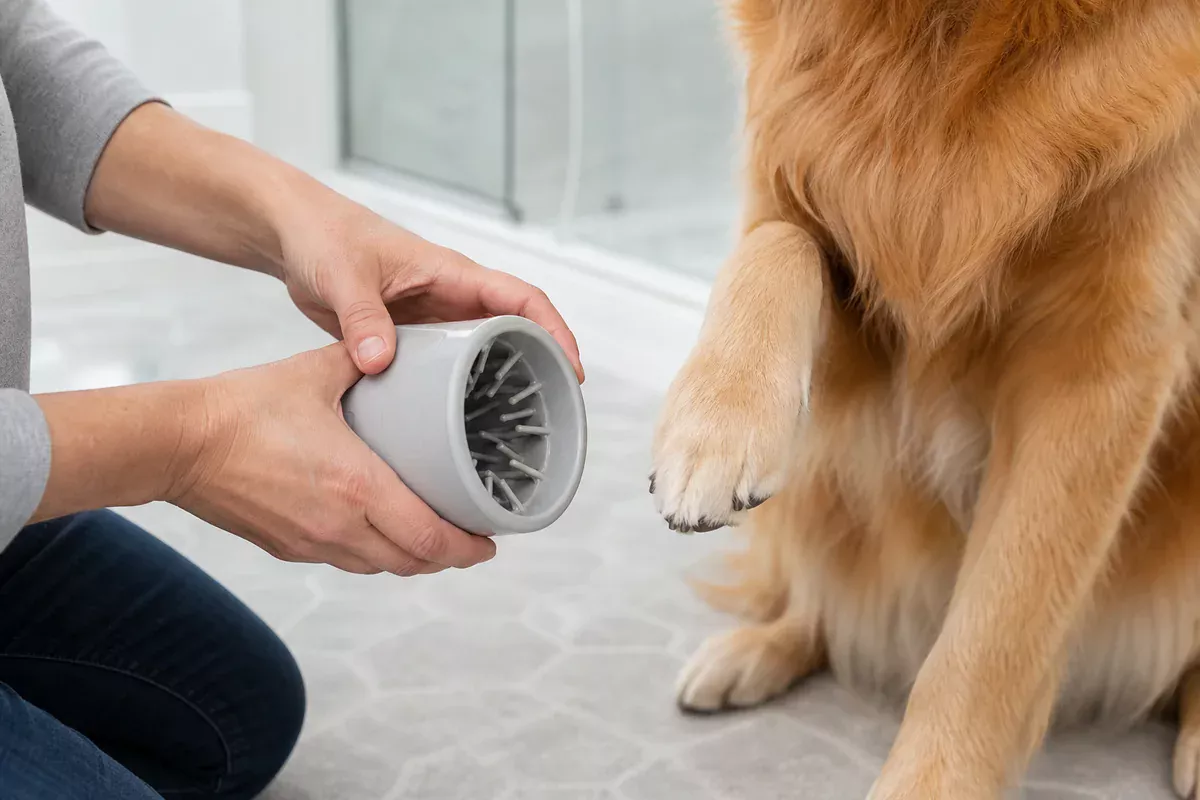
What to look for in a dog paw cleaner before you buy
Before you order any paw cleaner for dogs, take a few minutes to examine the design details that affect daily use.
For a dog mat paw cleaner, look at the backing material.
How to test a paw cleaner on your surfaces
No matter which style you choose, the first step is to test it on a hidden area of your floor or entry mat. Follow these steps:
- Fill the paw cleaner cup with a small amount of water, following any fill line shown on the product.
- Gently insert your dog’s paw and twist the cup slowly two or three times, watching your dog’s reaction.
- Lift the paw out onto a dark towel and check for any grit or debris that transferred from the paw.
- If the towel stays clean, repeat the process on a hidden corner of your entryway floor.
- Let the area dry completely and look for any water spots, residue, or scratches.
This simple test tells you whether the cleaner is removing enough dirt and whether any water drips are leaving marks on your surface.
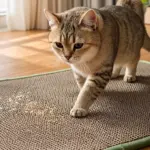
For a dog mat paw cleaner, place the mat on a hidden patch of floor and walk your dog across it after a dry, dusty walk.
Comparing paw cleaner styles: cup, portable, and mat
Each type of paw cleaner has a different use case, and the right choice depends on where and when you need to clean paws.
| Feature | Paw cleaner cup | Portable paw cleaner | Dog mat paw cleaner |
|---|---|---|---|
| Typical use | At-home cleanup after muddy walks | Quick cleanups on walks, hikes, or in the car | Wiping dry paws at the door before entering |
| Water needed | Yes, fill with water; check product for fill guidance | Yes, but smaller reservoir; may need refilling | No, relies on mat texture to wipe paws dry |
| Cleaning action | Twist cup around paw; internal features scrub pads and between toes | Insert paw and twist or dip; compact internal design | Dog walks across mat; surface texture wipes off loose dirt |
| Maintenance | Rinse cup and internal parts after each use; air-dry upside down | Empty water, rinse reservoir and internal parts; leave lid open to dry | Shake out debris, rinse with hose or wipe with damp cloth; air-dry flat |
| Storage | Store upright in a mudroom or closet; avoid freezing temperatures | Compact; fits in a bag or car door pocket; ensure lid is dry before storing | Roll up or hang on a hook; keep away from direct heat sources |
| Consider for | Dogs that tolerate paw handling; visible mud removal | Active dogs; on-the-go lifestyles; small to medium paws | Dogs that dislike paw handling; quick dry-off at the door |
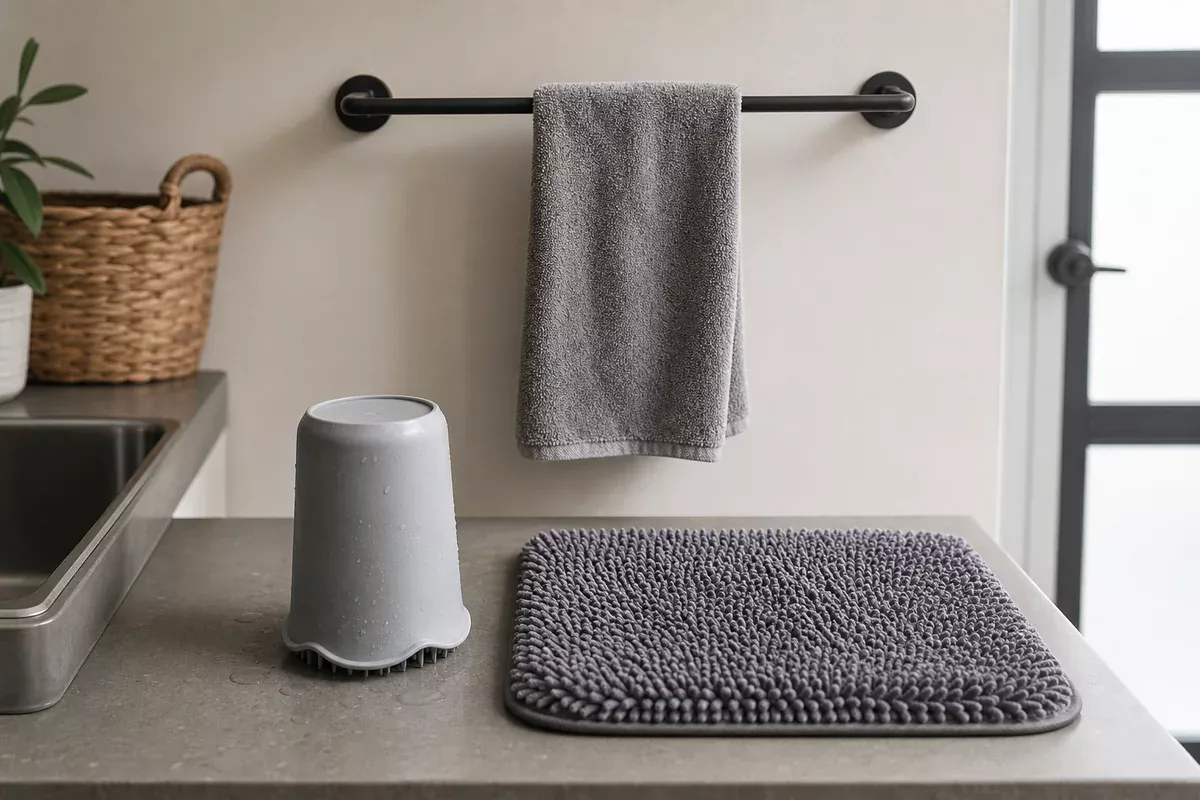
How to clean and store your paw cleaner
Keeping your paw cleaner for dogs clean is just as important as using it. A dirty cleaner can transfer old mud back onto your dog’s paws. Always check the care label or packaging that came with your specific product. The CDC provides general guidance on cleaning pet supplies: hard items like bowls and rubber toys can be cleaned with soapy water, and if labeled dishwasher-safe, they can be cleaned and disinfected in a dishwasher using a high-temperature or sanitizing setting (CDC). For soft items, the CDC notes that many can be cleaned in a washing machine with laundry detergent and dried on a low-heat or air-dry setting, and using a dryer at the highest heat setting for 30 minutes can disinfect (CDC). However, these are general recommendations for pet supplies; you must follow the specific care instructions provided by the manufacturer of your paw cleaner. Do not assume your paw cleaner is dishwasher-safe or machine-washable unless the label explicitly states it.
When storing your paw cleaner, keep it in a cool, dry place away from direct sunlight. If the product label includes storage instructions, follow those.
What about using cleaners or disinfectants on the paw cleaner itself?
You might wonder whether you should use a household cleaner or disinfectant on your paw cleaner. If you choose to disinfect, always read and follow the product label instructions exactly. The EPA advises keeping pets away from treated areas as directed on the label, and storing all household cleaning products where pets cannot reach them (EPA). Many disinfectants are toxic when wet but are safe once dry, so labels may state “keep pets and children away from area until dry.” If you use a disinfectant spray or wipe on a paw cleaner cup, let it dry fully before letting your dog use it, or rinse it with water and dry it with a clean towel as an extra precaution. The CDC recommends wiping dry with a clean towel or washing the disinfectant away with water before letting your pet use the item (CDC).
For everyday cleaning, warm soapy water is usually sufficient. The CDC explains that cleaning physically removes dirt and germs from surfaces using soap or detergent, while disinfecting kills germs using chemicals. Cleaning is generally enough for most pet items, and disinfecting is an additional step you can take in some situations (CDC). If your dog has been walking in areas where there might be animal waste or if someone in your household is more likely to get sick from germs, you may choose to disinfect the paw cleaner more often. Always verify that any disinfectant you use is compatible with the materials of your paw cleaner by checking the cleaner’s label.
How to introduce a paw cleaner to a hesitant dog
Some dogs are uncertain about having their paws handled or stepping onto a textured mat. Take it slow.
For a dog mat paw cleaner, lay the mat flat in a familiar area and let your dog walk across it on their own.
Setting up a paw cleaning station at home
A dedicated paw cleaning station makes the process faster and keeps mess contained. Choose a spot near the door you use most often after walks. A utility room, mudroom, or garage entry works well. Place a washable rug or mat under the station to catch drips. Keep a towel, a small container of water, and your paw cleaner within arm’s reach. If you use a paw cleaner cup, set it on a small tray to collect splashes. For a portable dog paw cleaner, hang it on a hook or store it in a basket so it’s ready to grab. If you want to build a more permanent setup, you can find step-by-step ideas in our guide on creating a DIY dog paw cleaner station.
After cleaning your dog’s paws, wipe down the station area with a damp cloth and let it air-dry. This prevents water from seeping into floorboards or grout. If you use a dog mat paw cleaner, shake it out outside and hang it to dry before the next use. For more tips on handling muddy paws right after a walk, see our article on cleaning dog paws after a walk.
When to replace your paw cleaner
Even a well-maintained paw cleaner will show signs of wear over time. Inspect the tool’s visible interior and edges before use, and follow the maker’s replacement guidance.
How does a paw cleaner fit into a broader grooming routine?
Paw cleaning is one part of keeping your dog comfortable and your home clean. Regular paw checks also let you spot cracked pads, burrs, or small cuts before they become problems. After cleaning and drying your dog’s paws, you can apply a paw balm if your dog’s pads are dry, though you should always check with your veterinarian before using any new product. If you are new to at-home grooming, our dog grooming kit for beginners guide covers the basic tools to have on hand. For those who keep a cleaning kit in an office or shared space, our pet cleaning kit for a dog-friendly office article offers practical suggestions.
Common questions about dog paw cleaners
Can I use a paw cleaner on a dog with sensitive paws?
If your dog has sensitive paws, start with lukewarm water and the gentlest internal feature option you can find.
How often should I clean my dog’s paws?
Clean your dog’s paws whenever they are visibly dirty or after walks in mud, rain, or snow. In dry weather, a quick wipe with a damp cloth may be enough. The CDC suggests cleaning pet items as often as your own items, and you can apply that same thinking to paw cleaning frequency (CDC). There is no fixed schedule that works for every dog; adjust based on your dog’s activity and the conditions outside.
Will a paw cleaner remove all mud and debris?
A paw cleaner can remove most surface mud and loose debris, but it may not get every speck out from between tightly clenched toes or from long fur.
Can I use a paw cleaner on a puppy?
Yes, but introduce it gradually and keep sessions very short.
How do I prevent the paw cleaner from getting smelly?
Empty the water immediately after use, rinse all parts thoroughly, and let the cleaner dry completely before storing it.
Next steps for a cleaner entryway
Start by choosing one paw cleaner style that matches your daily routine and your dog’s temperament. Test it on a hidden patch of floor, establish a simple cleaning and drying routine for the tool itself, and store it where you will actually use it. Over time, you can add a dedicated station or upgrade to a different style if your needs change. For more product comparisons and practical guides, browse our reviews section or visit our shop to see the latest paw cleanup tools.