

How to keep a pet home clean without harsh smells
If you live with a dog or cat, the mess is rarely dramatic. It is the slow build-up: hair on the sofa, litter dust near the tray, paw marks by the door, and that faint smell you only notice after coming back from outside.
Most people do not need a cabinet full of aggressive cleaners. They need a calmer routine that matches how pets actually move through a home.
Explore pet-safe cleaning kits
Why does a pet home start smelling even when it looks clean?
In 2026, FEDIAF reported that 140 million European households own pets, which means pet mess is a normal household problem, not a niche one. Smell usually comes from soft surfaces, litter areas, damp textiles, and repeated tiny accidents, rather than one obviously dirty spot.
That is why a quick spray often disappoints. It treats the air, not the source.
A better first move is boring, but it works: remove hair and dust before adding any liquid cleaner. Hair traps odor. Litter dust spreads further than it looks. Damp paw prints dry into fabric and leave a faint trace behind. Once those layers are gone, the cleaner has less work to do.
When we map pet-home cleaning products for PawPureHome, the products that make the most sense are not single miracle bottles. The useful ones solve one repeated job well: lifting hair from fabric, catching litter at the tray, drying paws near the door, or absorbing odor close to the source.
A clean pet home depends more on routine than scent. FEDIAF’s 2024 European pet population and market data reports 306 million pets across Europe and 49% household pet ownership, so fur, litter, paw dirt, and odor are everyday home-care issues, not occasional emergencies.
What should you clean first in a home with cats or dogs?
In 2026, the CDC’s guidance on cleaning and disinfecting pet supplies still follows a simple order: clean surfaces and supplies first, then use disinfectants according to the label when needed. For daily pet mess, that order matters more than people think.
Start with dry removal. Use a hair tool on sofas, throws, rugs, and pet beds. Shake or vacuum litter mats. Pick up loose debris near food bowls and doorways. Then wash or wipe the surface.
Disinfecting has its place, especially around bowls, crates, litter tools, or illness-related mess. But disinfectant is not a shortcut for cleaning. If a surface is covered in hair, food residue, or litter dust, the product cannot touch the surface properly.
Keep pets out of the area while anything is wet. The CDC notes that many disinfectants are unsafe when wet but safe once dry, if used as directed. That small detail is easy to forget when a dog is following you from room to room.
Which cleaning products should pet owners avoid?
In 2026, CDC pet-safety guidance warns cat owners not to use disinfectants with phenol in the ingredient list. Phenols are especially dangerous for cats, and the ingredient name may appear as part of a longer chemical name, such as 2-phenyl phenol.
That does not mean every strong cleaner is forbidden forever. It means pet owners need more discipline than a typical household. Read the label. Ventilate the room. Keep pets away until surfaces are dry. Store products where curious noses and paws cannot reach them.
The products that feel “fresh” to humans can also be the ones that bother pets most. Heavy fragrance is not the same as clean. A room can smell like lemon and still have litter dust under the tray. A sofa can smell floral and still hold old hair in the weave.
For PawPureHome, that points to a clear position: pet-safe home care should feel quiet. Less perfume. Less drama. More tools that remove the thing causing the smell.
The CDC advises pet owners to follow disinfectant labels, keep pets away from wet treated areas, and avoid phenol-containing disinfectants around cats. That makes low-fragrance cleaning routines and source removal especially relevant for cat and dog households.
A simple four-zone cleaning routine
In 2024, PDSA estimated that 30% of UK adults owned a dog and 24% owned a cat. That overlap explains why many homes need a routine that covers both fur and litter, not one narrow product for one narrow problem.
Here is a practical structure:
- Fur zone: sofa, bed edges, rugs, throws, car seats.
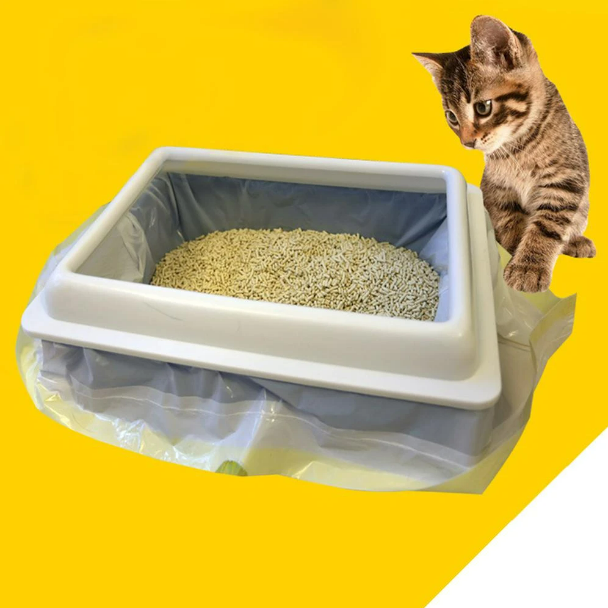
- Litter zone: tray entrance, mat, scoop area, nearby floor.
- Odor zone: bins, litter corner, pet bed, closed rooms.
- Accident zone: doorway, washable mats, puppy pads, stain-prone fabric.
Do not clean these zones the same way. Fur needs physical removal. Litter needs containment. Odor needs source control and airflow. Accidents need fast absorption before cleaning.
This is also why kits make more sense than random single products. A new pet owner does not wake up thinking, “I need one microfiber towel.” They think, “My home smells a little off, and I do not know where to start.” A kit answers that anxiety better.
View fur and hair control kits
How often should you clean pet areas?
In 2026, CDC guidance says pet beds, blankets, and habitats should be cleaned weekly in its pet supply cleaning infographic. Bowls and frequently used supplies need more regular attention, especially when wet food, saliva, or litter dust is involved.
Most homes can use this rhythm:
Daily: wipe feeding areas, remove visible fur, scoop litter, air out damp textiles.
Twice weekly: clean litter mats, brush sofa zones, wash paw towels, refresh odor absorbers if needed.
Weekly: wash pet bedding, clean crates or carriers, check hidden corners behind litter trays and furniture.
Monthly: review the routine. If one area always smells first, move the product closer to the source instead of adding more scent.
The best pet cleaning routine is not the most intense one. It is the one you can repeat without thinking. If it takes 45 minutes and seven bottles, it will fail by week two.
A repeatable pet cleaning routine should separate daily visible mess from weekly textile care. CDC pet supply guidance recommends weekly cleaning for pet beds, blankets, and habitats, while food, water, and high-contact areas often need more frequent cleaning.
Frequently asked questions
Is vinegar safe for cleaning around pets?
Vinegar is often used for light household cleaning, but it is not a universal answer. It has a strong smell, can damage some surfaces, and should not replace a disinfectant where true disinfection is needed. Test small areas first and keep pets away until surfaces are dry.
Can I use scented cleaners if I have pets?
Light scent is not automatically unsafe, but fragrance can hide the source of a problem. Start by removing hair, litter dust, and damp fabric. If you use scented products, ventilate well and avoid heavy fragrance near beds, bowls, litter trays, and closed rooms.
What is the safest way to clean after a pet accident?
Blot first. Do not rub the stain deeper into fabric. Remove solids, absorb moisture, then use a cleaner suited to the surface and the type of mess. Keep pets away until the area is dry, especially if you use a disinfecting product afterward.
Do pet-safe products still need label instructions?
Yes. “Pet safe” does not mean “use any amount anywhere.” Follow the label, store products securely, and keep animals away from wet treated surfaces. This matters most for cats, puppies, senior pets, and pets with breathing or skin sensitivities.
A cleaner pet home should still feel like home
The goal is not a sterile house. Pets live on the floor, sleep on textiles, sniff corners, and track the outside world inside. A good routine respects that instead of fighting it.
Start with the four zones: fur, litter, odor, and accidents. Build around source removal. Use disinfectant only where it makes sense. Keep fragrance light.
That gives PawPureHome a clear promise: a home that feels fresh without smelling like someone tried too hard.
Sources
- FEDIAF, European pet population and market data 2024, retrieved 2026-07-09, https://europeanpetfood.org/about/statistics/
- CDC, About Cleaning and Disinfecting Pet Supplies, retrieved 2026-07-09, https://www.cdc.gov/healthy-pets/about/cleaning-and-disinfecting-pet-supplies.html
- CDC, Cleaning and Disinfecting Pet Supplies infographic, retrieved 2026-07-09, https://www.cdc.gov/healthy-pets/media/pdfs/Cleaning-pet-supplies_web-infographic-H.pdf
- PDSA, UK pet populations of dogs, cats and rabbits, retrieved 2026-07-09, https://www.pdsa.org.uk/what-we-do/pdsa-animal-wellbeing-report/uk-pet-populations-of-dogs-cats-and-rabbits